As pet owners, we want to make sure that our best friends have the best diet possible. However, it can be difficult to know what foods are safe and unsafe for dogs to eat. Having a good understanding of safe and unsafe foods for dogs is crucial for every dog owner. It can have a significant impact on a dog’s health and well-being. Many common foods are safe for humans to eat but can be toxic or harmful to dogs.
In this article, we will provide a comprehensive guide on what foods dogs can and can’t eat for your beloved dogs. We will also discuss the needs of older dogs and dogs with health problems.
Foods Dogs Can Eat
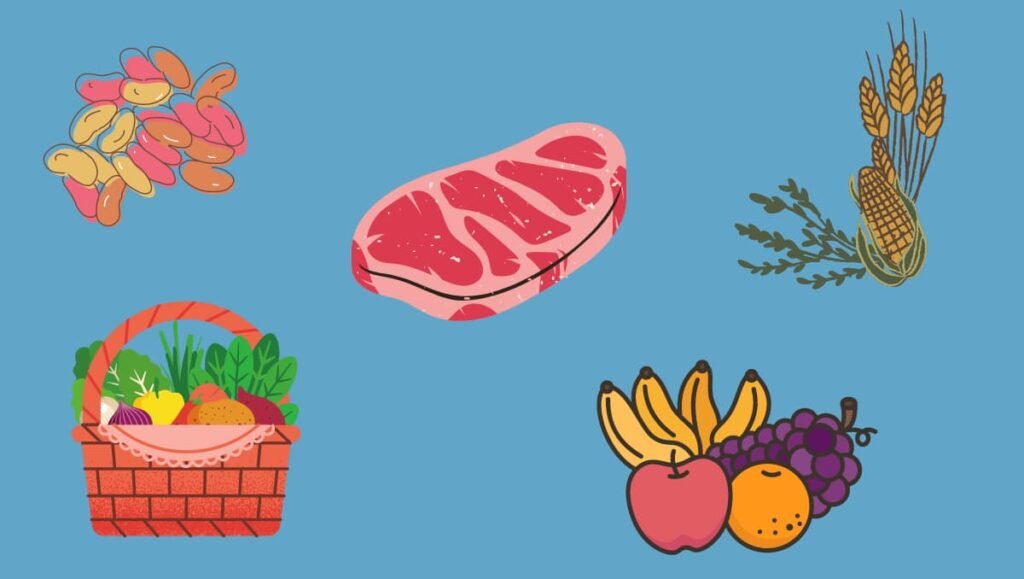
It is every dog owner’s desire to feed their dog safe and nutritious foods. Knowing which foods are safe is paramount for your dog’s health. Feeding your dogs safe foods can help them with staying healthy. In this section of the article, we will discuss different types of safe foods that dogs can eat, including meats, fruits, vegetables, and grains. We will also talk about its nutritional value and how it can benefit your dog’s health and well-being.
Meats
Dogs are carnivorous animals and they like to eat different kinds of meat. It is an essential part of a dog’s diet. Meats such as chicken, beef, turkey, and fish are safe for dogs to eat and provide important nutrients such as protein, vitamins, and minerals. These meats are a great source of energy and are essential for maintaining a dog’s muscle mass. Pet owners should always make sure that the meat given to dogs is cooked properly. Raw or uncooked can cause health problems for dogs. When feeding meat to dogs, the owner needs to be careful, not to overfeed.
Fruits
Dogs can also eat fruits. While some of the foods are not safe, many fruits are safe for dogs. Fruits can provide important vitamins and antioxidants that can be very helpful for a dog’s health. Apples, blueberries, mangoes, watermelon, bananas, etc are also safe for dogs to eat. When feeding different types of fruits, the owner needs to make sure to cut them into small pieces and remove any tough skins and seeds before giving them to their dogs. Pet owners also need to be aware of feeding fruits in small quantities.
Vegetables
Some vegetables like carrots, cabbage, bell peppers, and green turnips are also safe for dogs to eat. They can provide important vitamins and minerals that can help with dogs’ health. Vitamins are useful and necessary in dogs for normal metabolic functioning. Whereas minerals are useful for their bones and teeth. Vegetables like carrots are a great source of Vitamin A, which can be essential for maintaining a dog’s vision. Whereas green beans are low-calorie and full of fiber that can be helpful for dogs in digestion.
Grains
Grains like rice, oats, and barley are safe for dogs to eat and provide vital energy and nutrients. Rice is a great source of carbohydrates, which provide energy for dogs, while oats are rich in fiber and can help to keep the dog’s digestive system healthy.
Seafoods
Seafoods present a nutritious addition to a dog’s diet. Salmon is rich in omega-3 fatty acids, supporting heart health and promoting a shiny coat. Opt for cooked shrimp as a protein source, but avoid excessive feeding due to its high cholesterol content. Additionally, whitefish varieties such as cod or haddock offer lean proteins vital for muscle development. Prioritize thoroughly cooked seafood without seasonings or additives before sharing it with your pet.
It’s important to note that while these foods are safe for dogs to eat, they should be fed in moderation and should be a small part of the dog’s diet. Additionally, dogs are carnivorous animals, and their diet should be mostly based on meat, and meat-based dog food.
Foods Dogs Cannot Eat
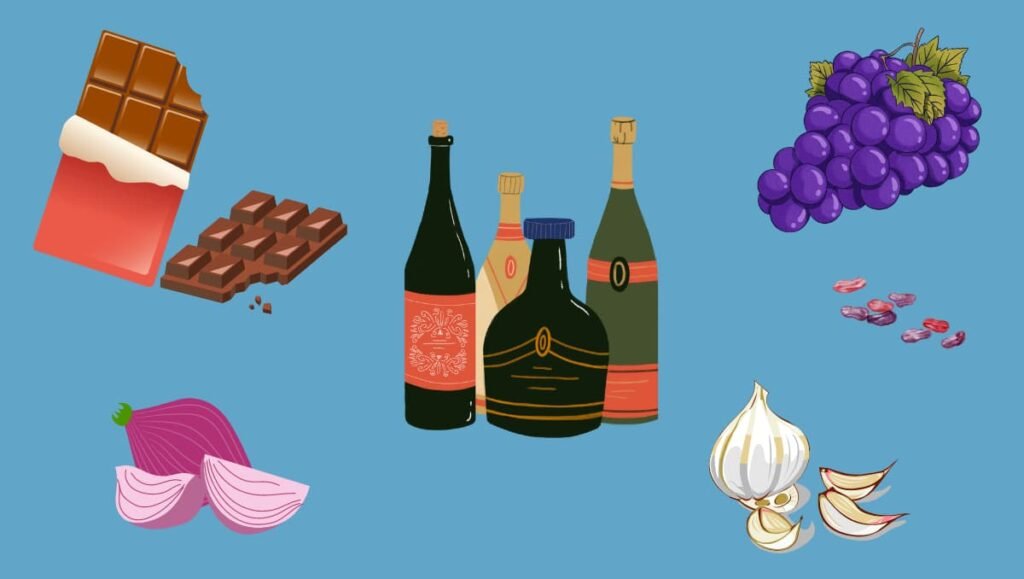
There are various other food types that can be toxic or poisonous. Upon consuming them, dogs can have different health-related problems. It is the responsibility of the pet owner to be aware of those unsafe foods for dogs. In this section, we will describe some of the foods that are unsafe for your dogs, including the potential health risks when eating them.
Grapes
Grapes and raisins are toxic to dogs and can cause severe kidney damage. Even a small amount of grapes or raisins can cause vomiting, diarrhea, and dehydration, and in extreme cases, can lead to kidney failure and death. If you suspect your dog has consumed grapes or raisins, it is essential to seek immediate veterinary care.
Chocolate
Chocolate is also toxic to dogs and can cause vomiting, diarrhea, and even death. The toxic component in chocolate is methylxanthines, which are found in cacao seeds. Darker chocolate has higher levels of methylxanthines than whiter chocolate. Pet owners need to be careful not to feed chocolate to their dogs as even small amounts of chocolate can be dangerous to their health.
Onions and Garlic
Alliums present in onions and garlic are toxic to dogs and should not be given to dogs at all. These foods should be avoided in any form, whether they are cooked, raw, or powdered. Dogs can suffer from vomiting, diarrhea, dehydration, etc when they are fed onions and garlic. Before giving your dogs any food or treats, it is very important to check the ingredient list because even small traces of onion or garlic can have negative health effects.
Alcohol
Dogs should not be fed alcohol. It can be toxic and dangerous for dogs. Even in small amounts, it can be dangerous for dogs and can cause vomiting, diarrhea, decreased coordination, breathing problems, and even death. Alcohol should never be given to dogs, and pet owners need to ensure that any alcoholic products are not kept within the reach of their dogs. They also need to be careful about other products like mouthwashes, perfumes, aftershave, etc that might have alcohol on them. These products can be toxic and fatal for dogs.
Unsafe foods for dogs should not be fed to dogs in any conditions at all. If pet owners found that their dogs have taken unsafe foods then they need to take them to the nearest veterinarian as soon as possible. Pet owners should also keep away any foods that might be unsafe for their dogs.
Foods Dogs Can Eat in Moderation
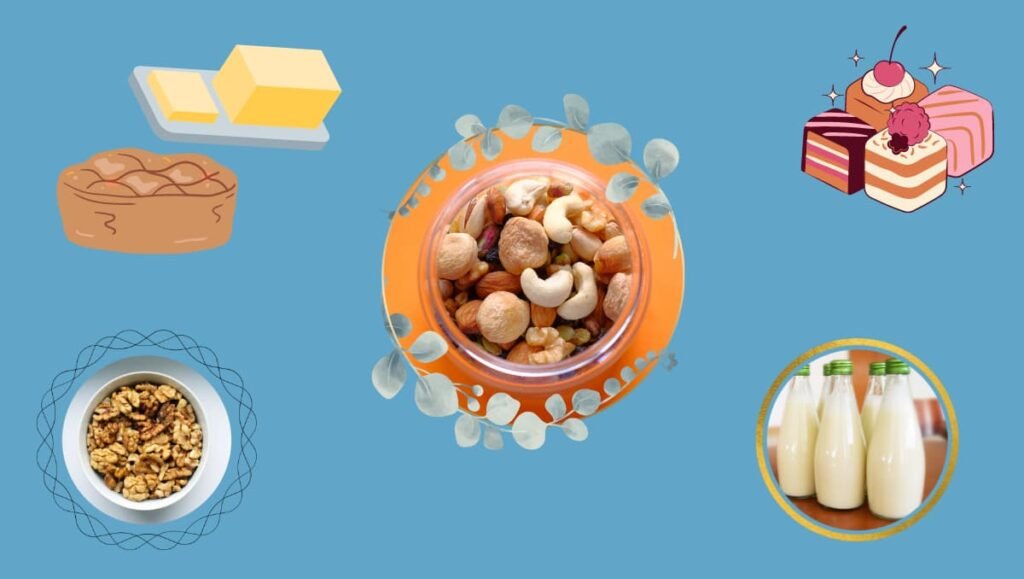
Some foods can be given to your dogs in moderation. However, pet owners need to be careful not to overfeed them. They can be given as occasional treats for your dogs to enjoy. In this section, we will discuss some of the foods that can be given to dogs in moderation and any potential risks associated with them.
Nuts
Nuts like almonds and peanuts are safe for dogs to eat in moderation, but they can be high in fat and calories. Cashews are also safe for dogs to eat in small quantities. However, feeding these nuts in high quantities might lead to health problems like being overweight and pancreatitis. Pet owners need to be mindful that dogs should only be given small amounts of nuts as a treat, and not as a regular part of their diet.
Walnuts
Walnuts are safe for dogs to eat in moderation, but they can also be high in fat and calories. Excessive consumption of these foods can lead to weight gain and other health problems. It’s important to keep in mind that dogs should only be given small amounts of walnuts as a treat, and not as a regular part of their diet.
High-Fat Foods
Fat is an important nutrient for your pet as they provide energy and insulation in dogs’ bodies. High-fat foods can be fed to dogs in small quantities. It can be a good option for thin and active dogs. However, foods with high fats can be dangerous for your dogs when fed in large quantities. Pet owners need to be careful of dogs with health issues when feeding high-fat foods. Feeding high-fat foods can cause health problems in dogs like pancreatitis, obesity, diarrhea, etc.
While it is okay to feed some of these foods in moderation, they should never be part of their regular diets. Not all dogs are the same and some dogs might show odd symptoms when fed some of these foods. Pet owners need to observe the reaction of their dogs when feeding nuts and high-fat foods.
Miscellaneous Foods for Dogs
Apart from fruits, nuts, meat, grains, fish, and eggs, there are several other miscellaneous foods that can be safely included in a dog’s diet. These foods can provide additional nutrients and variety to their meals while keeping their overall health in mind. Some of the miscellaneous foods that can be given to dogs are:
- Air-popped popcorn
- Peanut butter
- Cooked oatmeal
- White rice
Senior Dogs and Dogs with Health Conditions
Pets owners need to be aware and careful about the foods needed for their pets throughout different phases of their life. Foods need to be different for puppies, adult dogs, and senior dogs. Depending upon their age and their health conditions, pet owners need to feed appropriate foods to their dogs. In this section, we will discuss special considerations that need to be taken for senior dogs and dogs with health conditions.
Senior Dogs
As dogs get older, their nutritional requirements change with it. Senior dogs will have decreased ability to take in nutrition compared to younger dogs. They will also have age-related physical and behavior changes which the pet owners need to be familiar with. Foods with high-fats and sodium need to be avoided for senior dogs. Vegetables like green beans, broccoli, and lettuce can be given to senior dogs as a treat. Foods with high proteins and lower calories should be the choice for senior dogs.
Dogs with Health Conditions
Humans can suffer from various health conditions. Some of the health problems like cancer, diabetes, arthritis, obesity, kidney disease, etc can have a significant impact on dogs. Pet owners need to be careful about specific dietary needs and restrictions for their unwell dogs. Dogs with obesity should avoid eating high-fat foods, whereas dogs with pancreatitis need to avoid high-fat and high-protein foods. Fatty foods, salty foods, and foods with high proteins should be avoided for dogs with obesity, pancreatitis, and diabetes. Pet owners need to be very careful when feeding their unwell dogs. They will have to consult with a veterinarian to get proper suggestions for specific nutrition for dogs with specific health-related issues.
Conclusion
In conclusion, it is very important for pet owners to be aware of the foods that are safe and unsafe for dogs to eat. By understanding which foods are safe and which are not, we can make informed choices about our dog’s diet and provide them with the best possible nutrition.
Additionally, it is always important to consult with a veterinarian for personalized advice on what foods are safe and appropriate for your dog to eat based on your pet’s individual health needs and dietary restrictions.
Frequently Asked Questions
Can Dogs Eat Chocolate?
- No, chocolate is not safe for dogs. Pet owners should stop feeding chocolates to their dogs.
Can Dogs Eat Nuts?
- Some nuts, such as almonds and peanuts, are safe for dogs to eat in small quantities, but other types of nuts such as macadamia nuts and walnuts can be toxic to dogs.
Do Dogs Prefer Cooked or Raw Meat?
- Dogs prefer cooked meat to raw meat. Pet owners need to be careful about feeding raw meat to their dogs.
It is important to remember that the advice given here is only a rough outline and that each dog may have specific nutritional requirements. We recommend all pet owners always seek advice from their veterinarian before adding any new foods to their dog’s diet.